
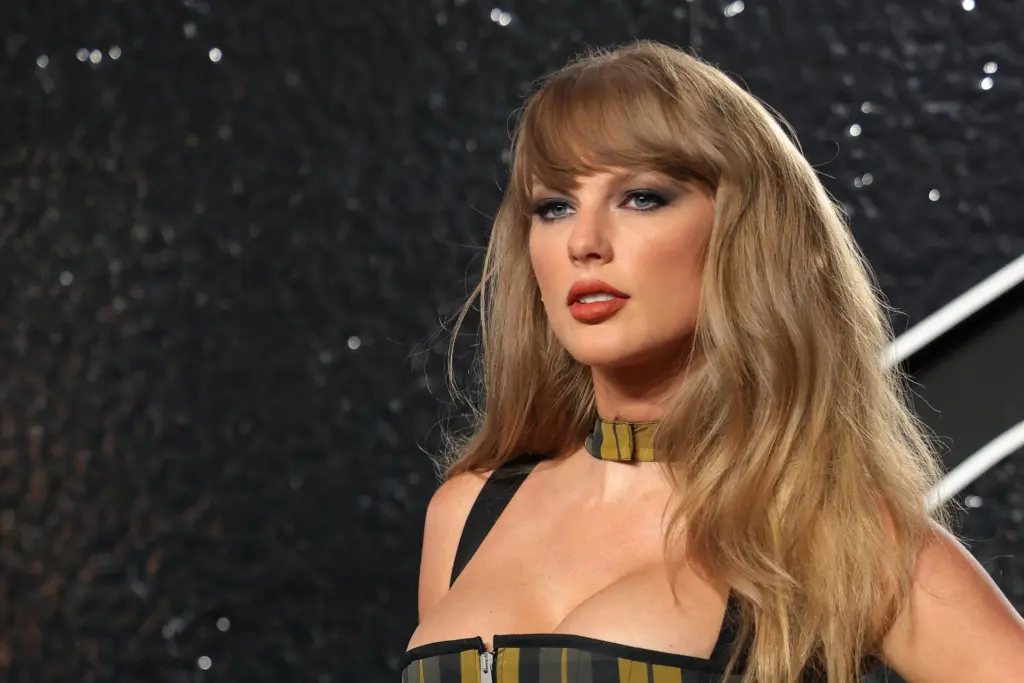
AI-powered scams are hijacking the identities of major artists to steal money from fans, according to a new report (via Billboard). The social media security company Spikerz says platforms like TikTok, Instagram, and X—vital for announcements and fan engagement—are increasingly “high-risk entry points for fraud and brand damage,” with AI making impersonations harder to spot and scams more effective.
To accompany its report, Spikerz organized a list of the top 10 most impersonated artists, which looks like this:
01. Taylor Swift
02. Sabrina Carpenter
03. Billie Eilish
04. BTS
05. Adele
06. Ed Sheeran
07. Lewis Capaldi
08. BLACKPINK
09. Ariana Grande
10. Drake
Admittedly, scams involving your favorite artists aren’t anything new. (For instance, see the woman who was once catfished by Nikki Sixx and Bret Michaels, or really the entirety of Fyre Fest.) But consultant Scott Cohen, who advised on the report, says that today’s social media landscape makes these current crop of scams a little bit different.
“Social platforms have become the most important connection point between artists and their audiences, and therefore, the most vulnerable,” Cohen explained. “If we want artists to innovate and experiment, we have to give them digital environments where they’re not constantly under attack.”
So, just how bad were some of these ploys? Well, here’s a smattering from Spikerz’s report (among some other places):
- In August, a cryptocurrency scam targeted fans of Pink Floyd, Tyla, Michael Jackson, Future, and Adele. All told, the scammers collected $49,000 from various individuals.
- One hacker used voice recordings of actor Johnny Depp to fleece a single fan out of $350,000.
- Fans of Swift and Carpenter were taken advantage of with targeted campaigns. The former fanbase were convinced with “fake tickets, merch, and VIP experiences,” while the latter group were offered “fake meet-and-greet offers, pre-sale links, and counterfeit merch drops.”
- In May, the X account of A$AP Rocky was flooded, with hackers releasing sensitive info to include photos.
- In 2025, one in five concert tickets transacted via social media proved fake (either with sellers disappearing outright or as part of several larger phishing attacks).
All told, these online perpetrators took fans worldwide for a staggering $5.3 billion in 2025 alone.
And it’s not just fans who suffer the consequences of these ploys, either. There’s larger, systemic issues that arise from these plots.
“When fans are duped by a fake account into buying non-existent merch, tickets, or experiences, the artist not only loses revenue, but suffers a blow to reputation that undermines future sales and engagement,” the report mentioned. “The resulting brand damage can reduce the value of sponsorships, collaborations, and label partnerships.”
Spikerz sells an anti-impersonation service to artists for $15,000–$35,000. The company claims consistent results, citing one case where it used a digital filter to scrub a Grammy-winning pop-rock act’s comment section after it was spammed with “Spanish food recipes.”
“The artists who win the next decade won’t just be the ones with the best music or the most viral campaigns,” said Spikerz CEO Naveh Ben Dror. “They’ll be the ones whose teams can make sure fans can trust every link, every handle, and every announcement with the artist’s name on it.”
No judgment intended to fans, especially those who lost real time and money. But if you don’t have access to a service like Spikerz for Joe Schmos, here’s a word of advice: If it seems too good be to true that you’re getting exclusive offers from, or simply chatting up, your favorite musical stars, then it probably is and you should bounce pronto.


